
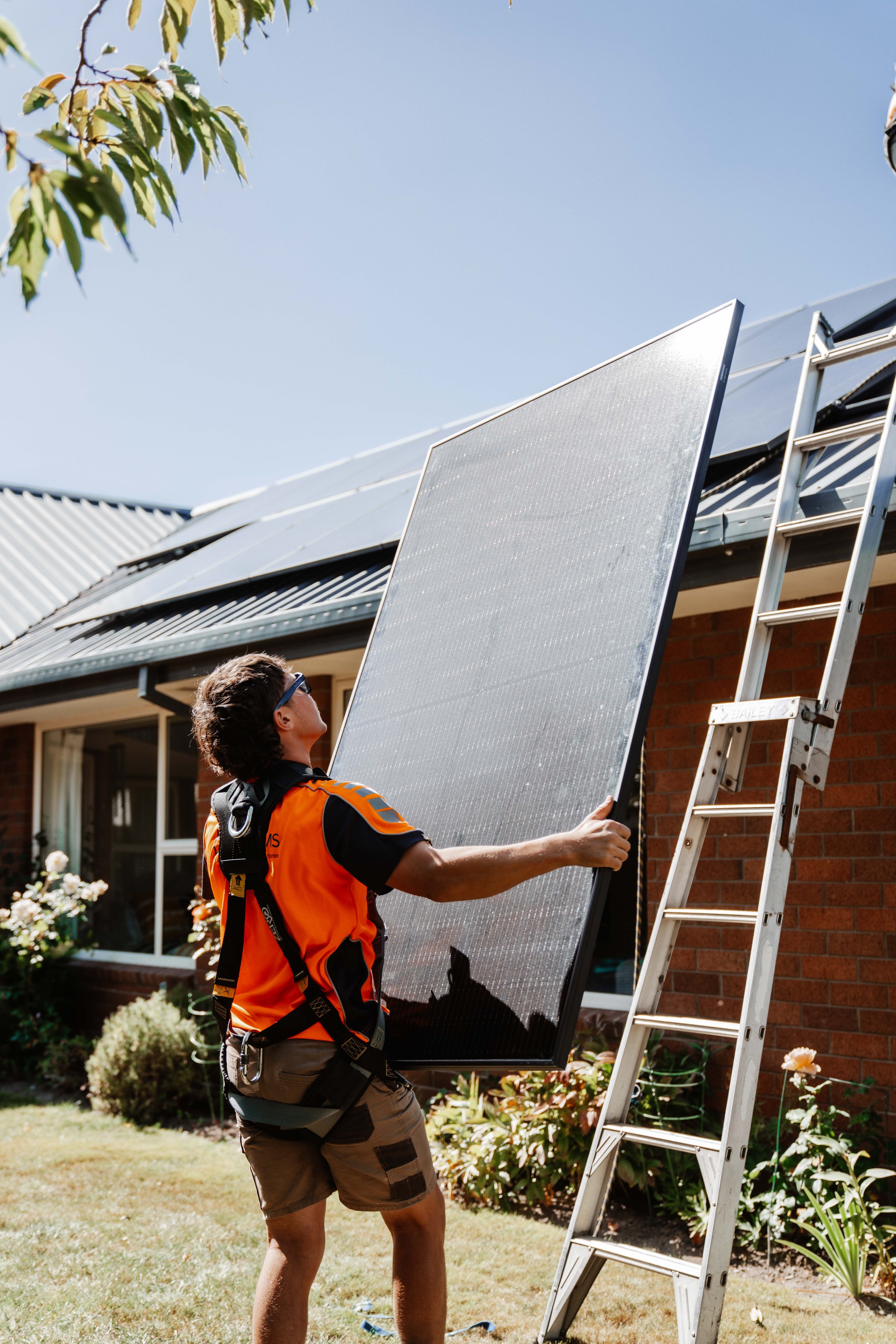
Thinking about solar but not sure where to start? It can feel like a big decision, with plenty of jargon and a lot of unknowns.
Here’s the good news: it isn’t actually complicated. Going solar with Smart Solar comes down to three steps. Here’s what each one looks like, so you know exactly what to expect, whether you’re building new, thinking about your current home, or just curious.
Step 1: A free quote

It all starts with a chat. We’ll talk through your home and how your household uses power, and we’ll answer your questions in plain English. If you have a recent power bill handy, bring it along. If you’ve got a list of questions you’ve been wondering about, bring that too.
The quote is free, and there’s no need to know anything about solar before you get in touch. That’s our job.
Step 2: A design made for your home
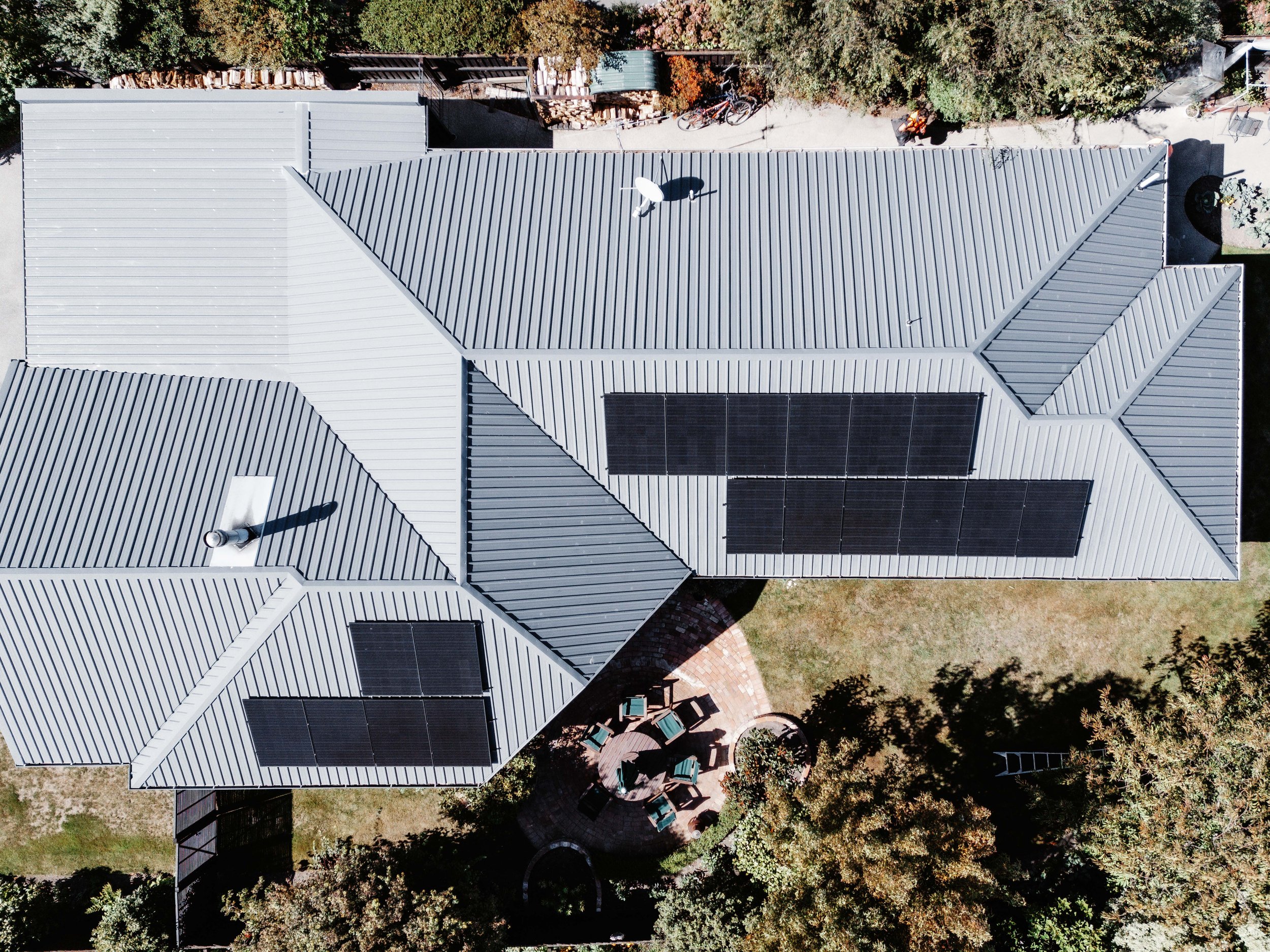
Every roof is different, and so is every household. That’s why we design your system around your home, rather than handing you a one-size-fits-all package.
We take your roof, the way your household uses power and what you want solar to do for you into account, and we design a system that suits. If you’d like to talk through what we recommend and why, just ask. Your design should make sense to you, not just to us.
Step 3: Installed by our own team
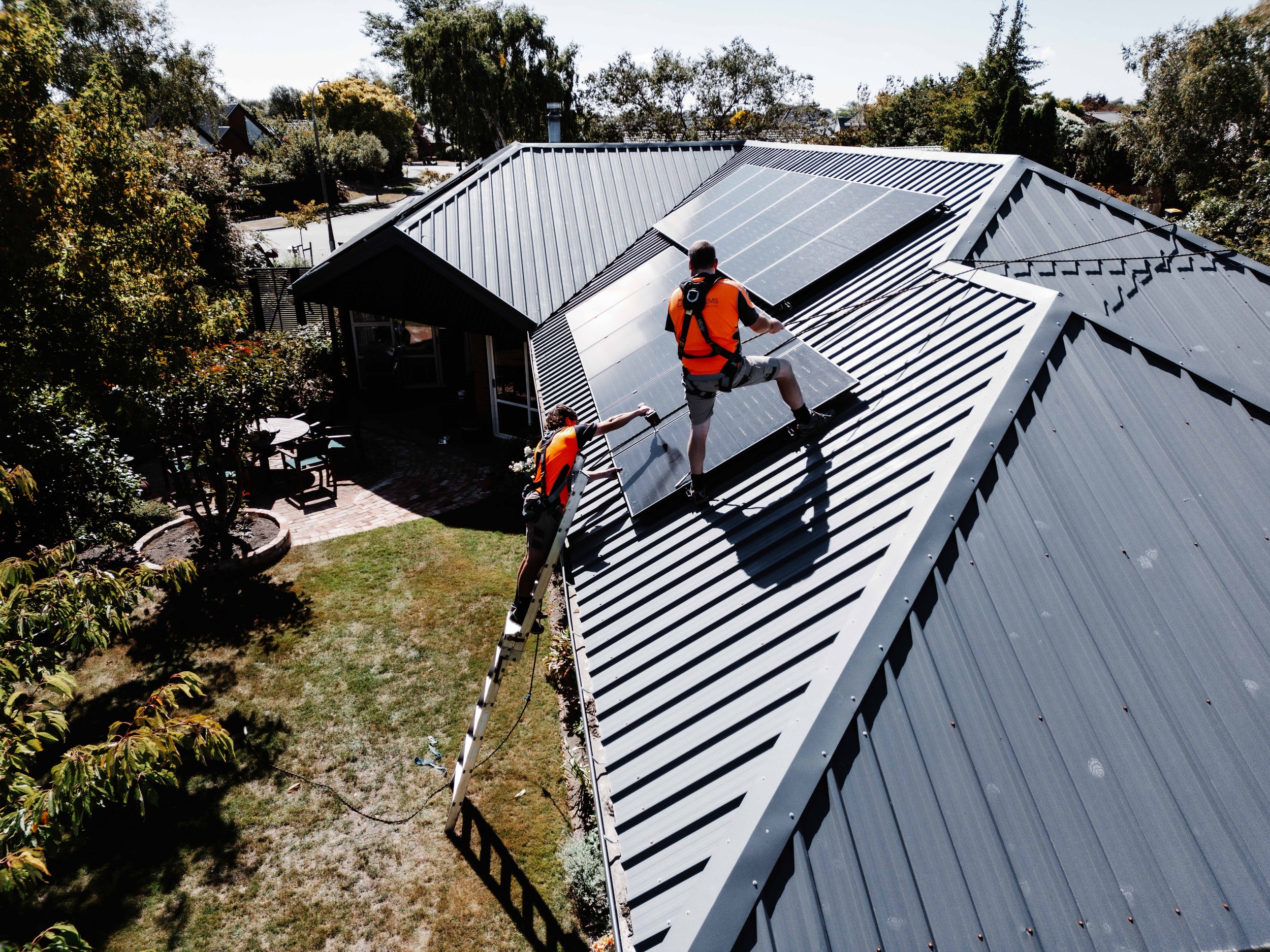
This is the part we’re proudest of. Smart Solar is 100% Canterbury owned and operated, and has been since 1997. Design to installation is all done by our own in-house team, so you know exactly who’s turning up at your place.
Then comes the best bit: switch-on. We’ve been doing this for a long time, and we still love switching on a new system.
Is my home a good fit?
Solar can suit a lot of homes, but a few things shape the design. Which way your roof faces matters, and so does any shade from trees or neighbouring buildings. The size and shape of your roof decide how many panels will fit, and how much power your household uses decides how big a system makes sense.
You don’t need to work any of this out yourself. It’s exactly what we look at when we design your system, and we’ll explain what we find in plain English. If your home is a new build, tell us at step one so solar can be planned in from the start.
What about a battery?
Solar panels make their power while the sun is up. If you’d like to keep using some of that power into the evening, a battery might be worth a look.
We’re a certified Tesla Powerwall installer, so we can talk you through whether it’s a good fit for your home. It’s a great question to ask at step one.
Backed by a local team that’s here to stay
A solar system is something you’ll live with for a long time, so it matters who stands behind it. Our installs are backed by a 30-year panel warranty, 10-year inverter and mounting warranties, and a $20,000 Master Electrician workmanship guarantee.
We’ve been part of the Canterbury community since 1997, and we plan to be here long after your system is switched on.
Questions worth asking any solar installer
Whoever you choose, a few simple questions will tell you a lot:
Who will actually be doing the installation, and do they work for the company?
What warranties come with the system, and who do you call if you need help down the track?
How was the system sized for your home, and can they explain it in a way that makes sense?
Will you be dealing with the same people from start to finish?
A few quick questions
Is solar actually complicated?
It doesn’t need to be. Panels on your roof make power from the sun, and your home uses it. The three steps above are all there is to getting started.
Does solar work for a new build as well as an existing home?
Yes, it works for both. We’ll design a system that suits your roof and the way your household uses power.
Do solar panels still work on cloudy days?
Yes. They make less power than on a bright day, but they keep working, and a good design takes your roof and local conditions into account.
Ready for step one?
Solar is a long-term decision, and we think the best ones start with good information. That’s what this guide is for.
Going solar is simpler than you think. Get a free quote at smartsolar.nz and we’ll take it from there.